November 11, 2026
Embarking on a kitchen remodel brings exciting opportunities to elevate both the beauty and daily functionality of your home. Selecting the right surface material stands among the most impactful choices you will make during this remodeling journey. As homeowners explore modern design options, quartz countertops frequently rise to the top of the consideration list because of their remarkable durability and sophisticated appearance. Choosing new surfaces requires careful consideration of how the material performs under daily household demands. Asking the right questions before making a final commitment helps you choose a surface that aligns with your daily habits, aesthetic preferences, and long-term kitchen goals. Taking the time to evaluate manufacturing standards, maintenance expectations, and design possibilities ensures that your new kitchen surfaces will deliver lasting satisfaction for many years ahead.
1. How Does the Manufacturing Process Create Durable Slabs?
Understanding the engineering behind modern kitchen surfaces helps homeowners appreciate their distinctive resilience and performance characteristics. According to This Old House, manufacturing quartz countertops involves blending 94% crushed natural quartz minerals alongside specialized polymer resins and color pigments. This precise industrial fabrication technique binds the natural stone particles together under extreme pressure and heat, creating an exceptionally dense slab that lacks internal voids. Unlike raw slabs quarried directly from the earth, engineered surfaces benefit from uniform structural consistency across the entire slab.
This systematic fabrication method eliminates the microscopic fissures and natural fault lines commonly found in organic stone formations. The polymer binding agents fill all microscopic air pockets, resulting in a solid slab that resists cracking during fabrication and regular household activity. Understanding how these slabs are produced provides valuable insight into why the material performs so reliably in busy culinary spaces. Knowing that the manufacturing method combines resilient mineral strength with engineered stability allows you to approach your selection process with absolute clarity.
2. How Does Everyday Use Affect the Nonporous Finish?
Daily meal preparation exposes kitchen work surfaces to a wide range of liquids, colorful ingredients, and frequent physical impact. Traditional natural stone options possess natural porosity, which means they can absorb cooking oils, red wine, citrus juices, and dark sauces if left unattended. In contrast, quartz countertops feature an impenetrable surface structure that stops spills from penetrating below the exterior finish. Because liquids cannot seep into the material, stubborn household stains cannot easily establish a foothold within the slab.
This nonporous characteristic also delivers substantial hygienic advantages for busy families who prepare fresh meals every day. Moisture, raw food particles, and common kitchen bacteria cannot migrate into deep pores or hidden microscopic crevices. Homeowners can comfortably slice produce and prepare everyday meals knowing the surface remains thoroughly sanitary after a simple wipe-down. Asking about surface porosity helps you understand the genuine protective qualities built into the slab, ensuring your kitchen environment remains pristine through years of culinary activity.
3. How Does Routine Cleaning Protect the Polished Surface?
Maintaining a clean kitchen should be straightforward and uncomplicated, allowing you to enjoy your living space without spending hours performing complicated care routines. Unlike quarried marble or granite surfaces, quartz countertops never require periodic sealing treatments, special conditioning oils, or intensive polishing sessions. The enduring sheen and resilience of the surface remain intact without regular applications of protective chemical sealants. This low-maintenance quality makes the material remarkably appealing for busy homeowners seeking lasting visual elegance without exhausting chores.
For daily sanitation, a soft microfiber cloth paired with warm water and mild dish soap effectively eliminates surface grease, cooking splatters, and food residues. Homeowners should avoid abrasive scrubbing pads, harsh scouring powders, and highly acidic or alkaline chemical cleaners, as these aggressive substances can dull the polished sheen over extended periods. Asking about proper cleaning protocols ensures that you preserve the lustrous factory finish without inadvertently applying damaging household chemicals during your weekly cleaning routines.
4. How Does Excessive Heat Impact the Engineered Material?
Managing heat exposure is a crucial aspect of caring for any high-performance kitchen surface over an extended lifespan. While quartz countertops offer solid resistance against moderate temperatures encountered during standard meal prep, direct thermal shock can cause noticeable surface damage. The specialized resins used to bond the crushed minerals together can become discolored or weakened when subjected to sudden, intense heat from blistering cookware. Placing extremely hot pots, frying skillets, or electric baking appliances directly onto the bare slab can lead to permanent discoloration or localized surface fractures.
Protecting your kitchen surfaces from thermal shock requires simple, consistent kitchen habits that safeguard the material over time. Utilizing sturdy trivets, silicone pads, or insulated hot plates creates an essential thermal barrier between scorching cookware and the engineered surface. When you ask about temperature tolerance prior to installation, you gain practical knowledge on how to preserve the flawless appearance of your kitchen workspace while preparing hearty home-cooked meals every day.
5. How Does an Edge Profile Enhance the Overall Layout?
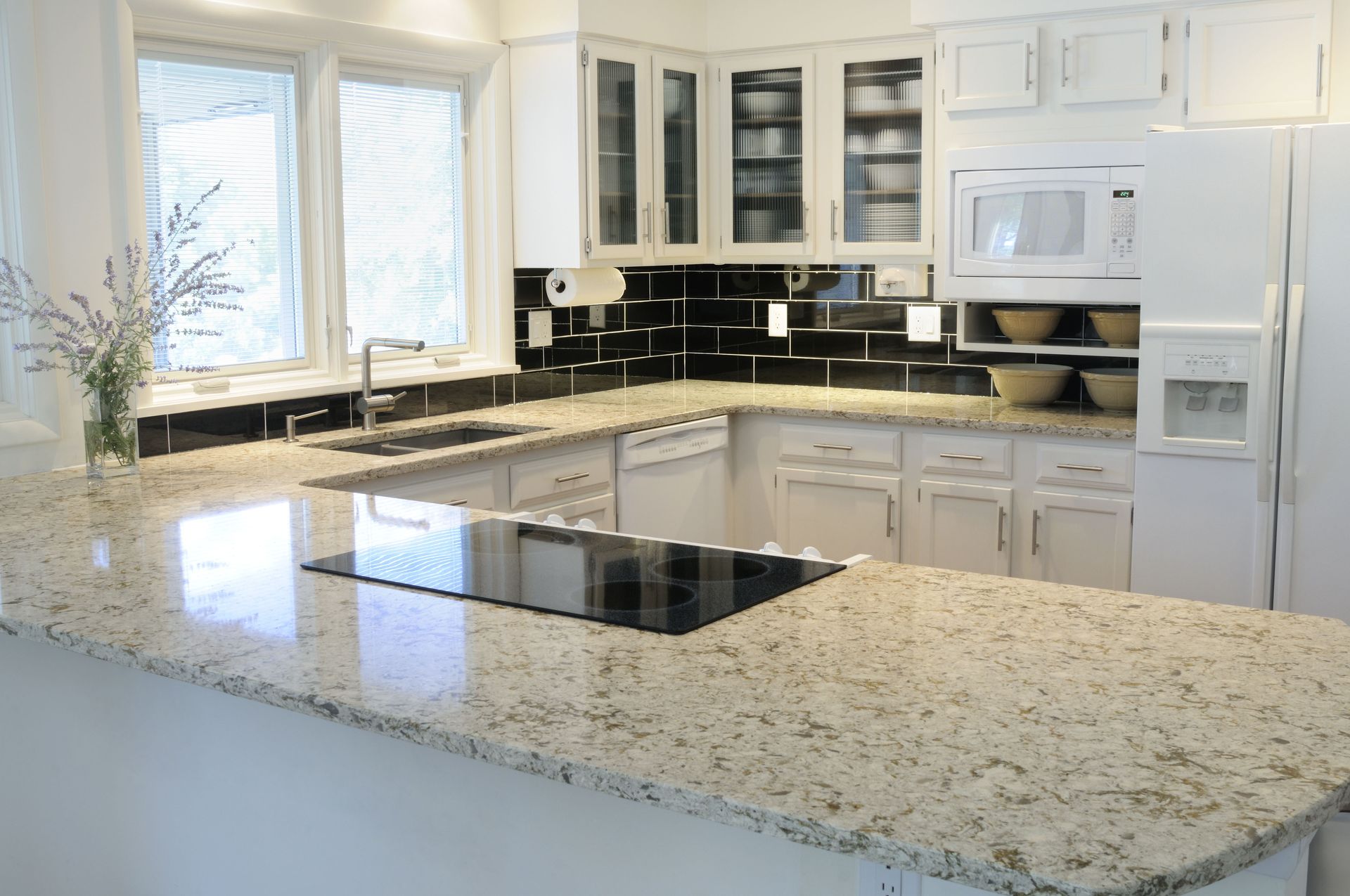
The edge profile of your kitchen surfaces plays a major role in shaping both the visual aesthetic and physical ergonomics of the entire room. Selecting quartz countertops allows you to choose from a diverse selection of edge designs, ranging from clean eased edges to intricate decorative profiles. Simple eased or beveled edges deliver crisp, contemporary lines that complement modern architectural styles, while rounded bullnose profiles provide soft curves that reduce sharp corners in busy pathways. More elaborate options, such as an ogee or stepped profile, introduce timeless elegance suited for traditional kitchen spaces.
Beyond visual style, the right edge treatment impacts comfort during daily kitchen tasks and helps prevent accidental chipping. Rounded edges naturally distribute physical impact more effectively than sharp square corners, reducing the likelihood of edge damage when heavy pots or metal utensils bump against the counter perimeter. Inquiring about available edge profiles allows you to tailor your surface selection to the specific traffic patterns and design theme of your home.
6. How Does a Chosen Color Complement Surrounding Cabinets?
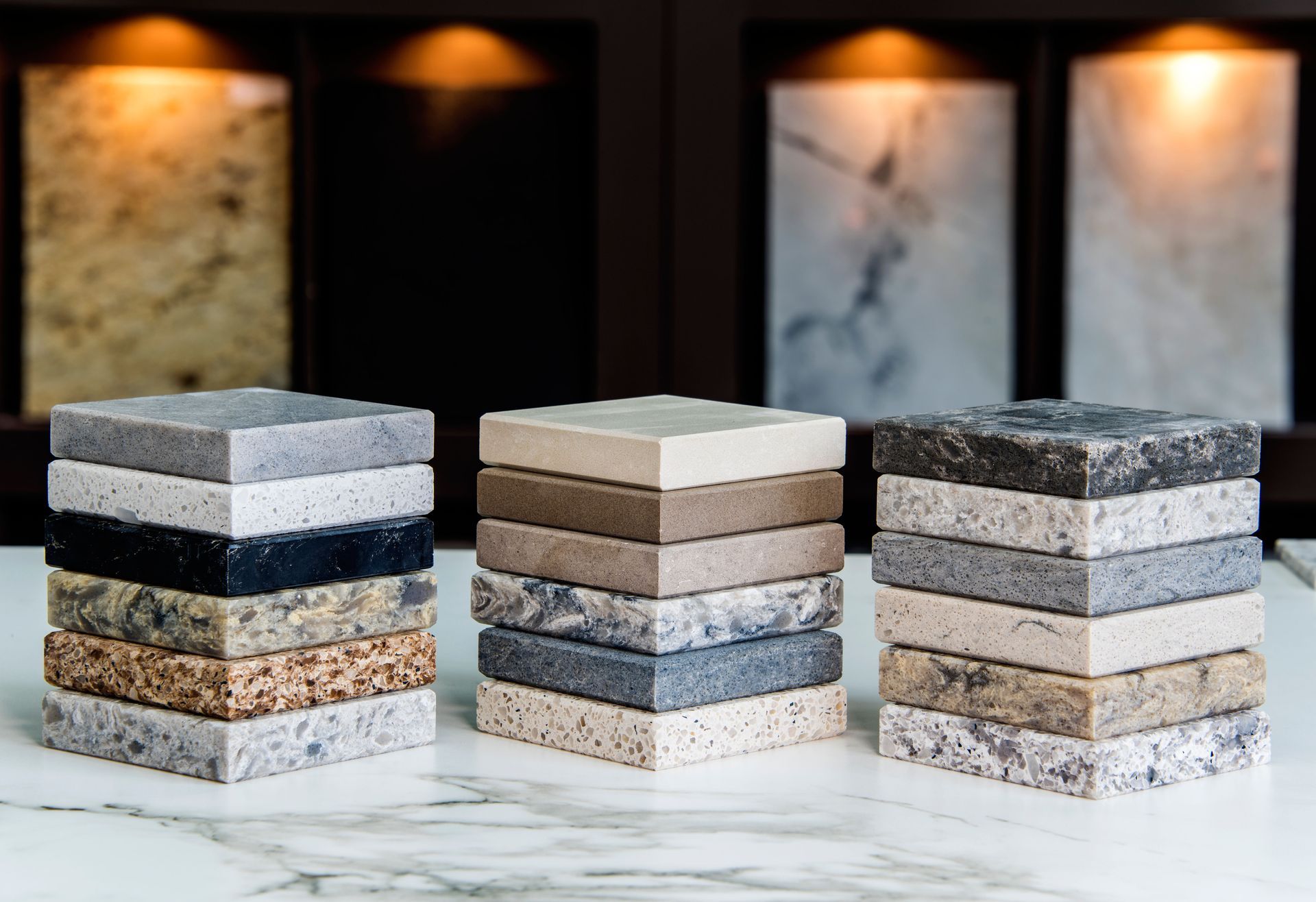
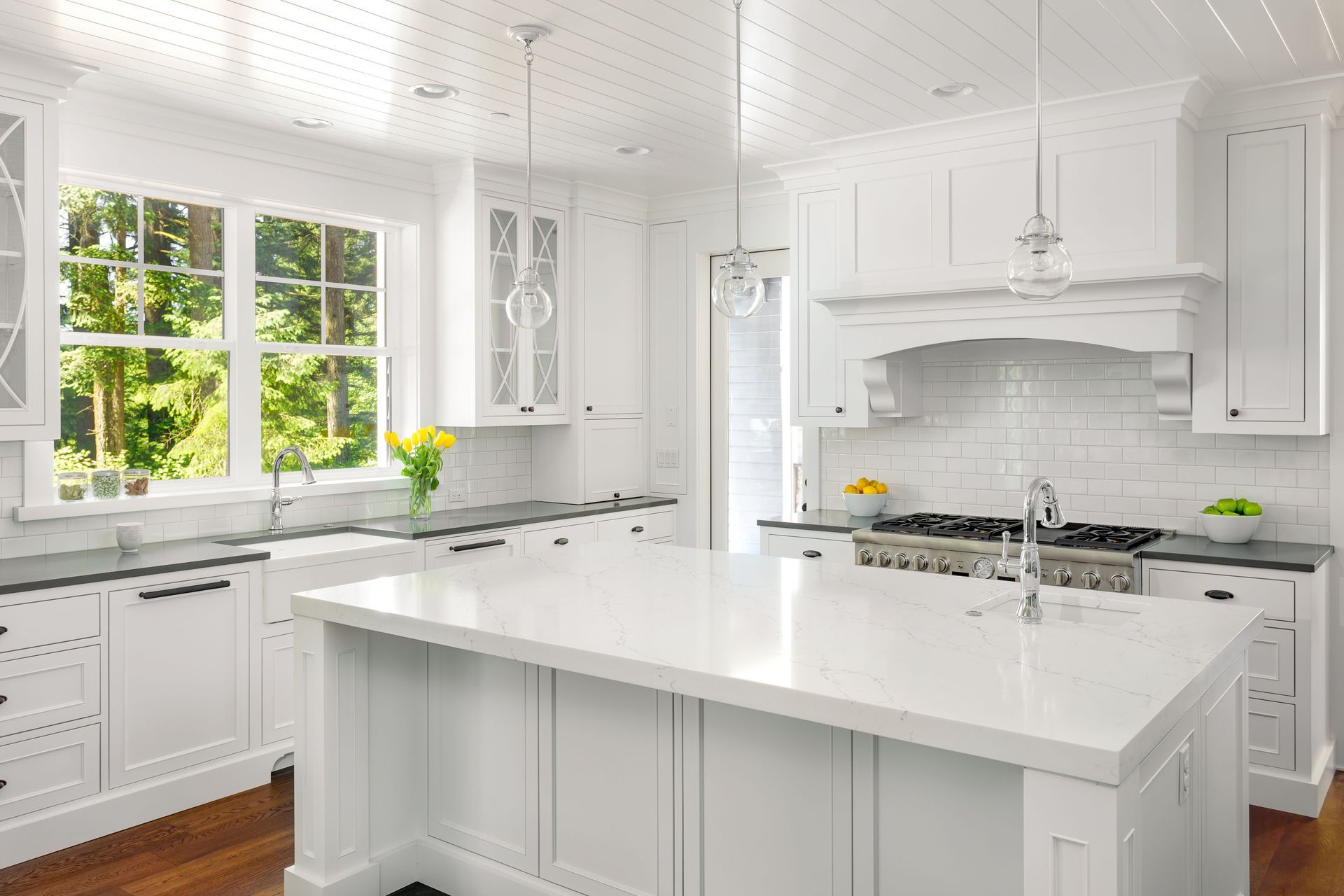
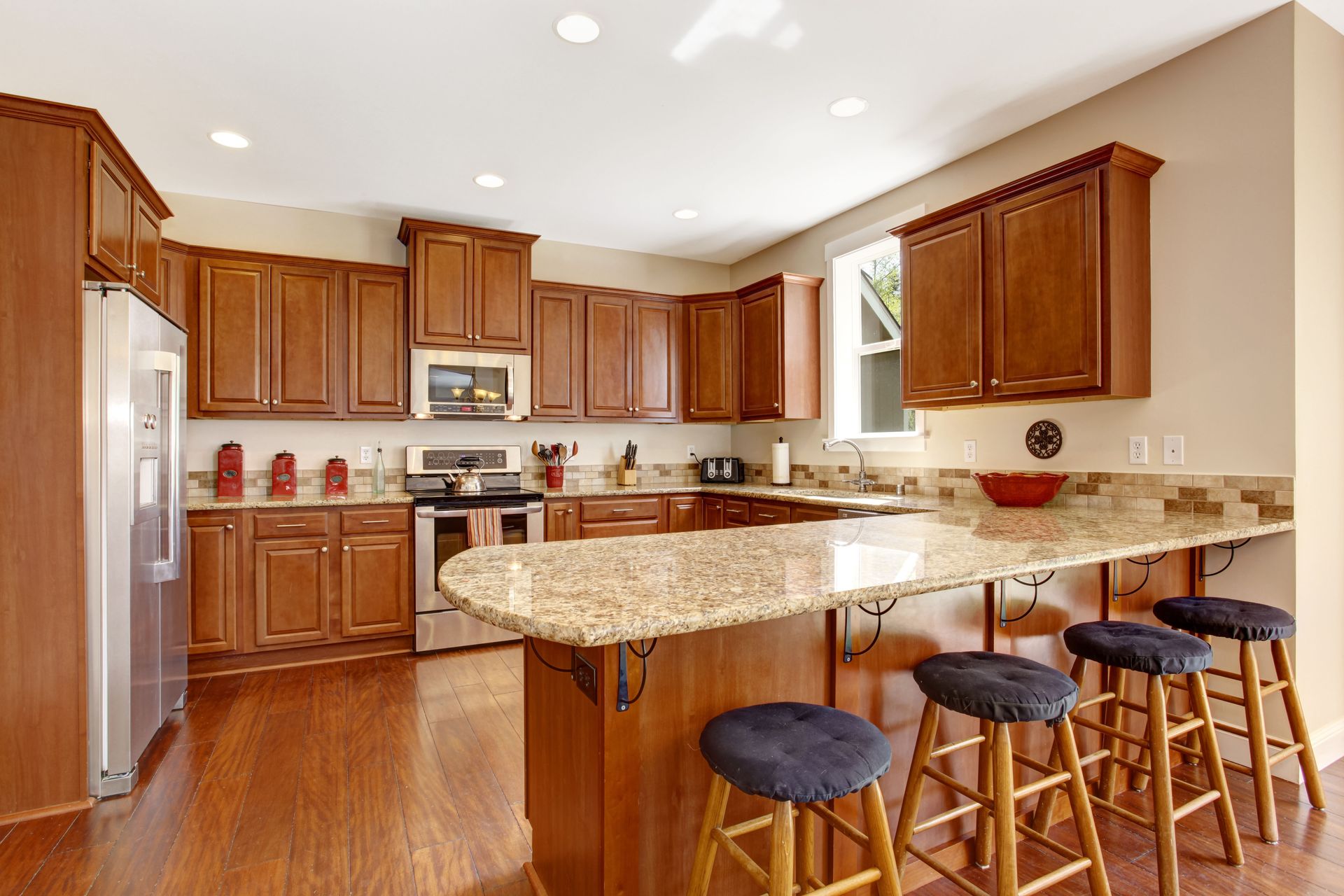
Creating a cohesive kitchen aesthetic requires visual harmony between your work surfaces and the surrounding cabinetry. Because manufacturers control the pigmentation and pattern distribution within quartz countertops, homeowners can select from an extensive palette of solid colors, subtle earthy hues, and dramatic veined patterns that convincingly emulate luxurious marble. When pairing surfaces with existing cabinets, consider whether you desire a high-contrast dynamic or a subtle, monochromatic color palette. Dark cabinetry paired with bright, light-reflective slabs can brighten up an enclosed space, while warm wooden cabinetry pairs wonderfully with cream or taupe tones.
Lighting conditions within your home also play a transformative role in how colors and mineral flecks appear throughout the day. Natural sunlight streaming through kitchen windows reveals subtle undertones that might look different under warm evening recessed lighting. Asking how different slab samples interact with cabinet stains and ambient lighting conditions ensures that your completed renovation looks balanced and inviting under all lighting environments.
Selecting the ideal surface material requires asking detailed questions about manufacturing methods, everyday durability, routine maintenance, heat guidelines, edge detailing, and color coordination. By exploring each of these critical questions, you can move forward with total assurance that your selected material will support your household lifestyle and retain its beauty for decades. If you are ready to transform your kitchen with elegant and durable new surfaces, contact us at Blue Ridge Cabinet & Design today. We will help you navigate every design possibility, select complementary finishes, and achieve a breathtaking kitchen transformation tailored specifically to your home.