November 11, 2026
Kitchen countertops are more than decorative features. They are hardworking surfaces that support meal preparation, everyday activities, entertaining, and countless household routines. Because countertops experience frequent use, selecting the right material is an important investment in the long-term functionality and appearance of a kitchen. While some materials may seem more affordable during an initial renovation, their maintenance requirements, durability, and replacement costs can make them more expensive over time.
Homeowners planning a kitchen renovation should consider more than the initial installation price. Comparing material quality, expected longevity, repair requirements, and overall performance can reveal which options provide lasting value. Investing in durable surfaces through professional quartz countertop services can also help homeowners create a kitchen that maintains its appearance and functionality without requiring frequent upgrades. Understanding the relationship between upfront expenses and long-term ownership costs makes it easier to choose surfaces that support household needs.
Understanding the Difference Between Initial and Long-Term Costs
The initial price of a countertop is only part of its overall cost. Materials with lower purchase prices may require more frequent maintenance, repairs, or replacement, creating additional expenses throughout their lifespan. Homeowners who focus exclusively on installation costs may overlook how these recurring responsibilities affect the total investment.
Long-term value involves evaluating how well a surface performs after years of everyday use. A countertop that resists common household wear, maintains its appearance, and requires relatively little maintenance can offer meaningful financial advantages. Although premium materials may involve a larger upfront commitment, their durability can reduce the likelihood of unexpected renovation expenses.
This distinction is particularly important when comparing materials with different performance characteristics. A lower-priced surface might initially seem practical, but its susceptibility to scratches, moisture, heat, or other damage could eventually make it less economical. Considering the complete ownership experience allows homeowners to make decisions based on value rather than price alone.
Comparing Material Durability and Expected Lifespan
Countertop materials differ considerably in how they respond to everyday conditions. Some surfaces are more vulnerable to scratches, stains, and moisture, while others offer greater resistance to common kitchen hazards. Understanding these differences helps homeowners select materials that align with their cooking habits, cleaning preferences, and expectations for longevity.
According to Home Advisor, laminate countertops typically require replacement after 10 to 20 years, while concrete, marble, and stainless steel surfaces can remain in service for 50 years or longer with proper maintenance. This comparison demonstrates how material selection can influence the frequency of major kitchen renovations. Although actual performance depends on installation, maintenance, and household use, durability remains an important consideration when evaluating countertop investments.
Natural stone, engineered surfaces, and other premium options each offer distinct characteristics. Some provide unique patterns and textures, while others emphasize consistency and practical maintenance. Homeowners should consider how these characteristics affect everyday usability rather than choosing a material based entirely on its initial appearance.
Professional quartz countertop services can help homeowners explore engineered stone options that balance visual appeal with practical performance. Quartz is manufactured using natural quartz combined with resins and pigments, creating a nonporous surface that generally does not require sealing. Its resistance to many common stains and everyday wear makes it an appealing choice for households seeking a durable countertop.
Evaluating Maintenance and Everyday Upkeep
Maintenance is another important part of the true cost of owning kitchen countertops. Every material has specific care requirements, and those responsibilities can affect household expenses and convenience. Some surfaces need specialized cleaning products, periodic sealing, or additional attention to prevent damage. Others are designed to simplify routine cleaning.
Natural stone countertops, for example, may require periodic sealing depending on the particular stone and its characteristics. Homeowners must also follow appropriate cleaning recommendations to protect the surface from staining or deterioration. Neglecting these responsibilities can shorten the usable lifespan of an otherwise attractive countertop.
Quartz generally offers a more straightforward maintenance routine. Because its engineered composition creates a nonporous surface, it does not require routine sealing. Regular cleaning with appropriate products can help maintain its appearance and remove everyday spills, food residue, and surface buildup.
When comparing quartz countertop services, homeowners should ask about recommended cleaning practices, product limitations, and proper care. Understanding these details before installation helps establish realistic expectations and prevents avoidable damage.
Considering Replacement Expenses and Renovation Disruption
Replacing countertops involves more than purchasing another material. The process can require removing existing surfaces, preparing cabinetry, coordinating installation, and arranging plumbing or other adjustments when necessary. These responsibilities can increase the total expense of a renovation beyond the countertop purchase itself.
There is also the inconvenience associated with temporarily losing access to important kitchen features. Depending on the scope of the project, homeowners may need to adjust meal preparation, reorganize household routines, or make alternative arrangements while installation takes place.
Building a kitchen around durable materials helps reduce the likelihood of experiencing these disruptions repeatedly. Although no countertop is completely immune to damage, selecting an appropriate surface and ensuring professional installation can support long-term performance.
Homeowners considering quartz countertop services should evaluate the complete installation process rather than comparing material prices alone. Preparation, measurements, fabrication, edge profiles, and installation quality all influence the finished result.
Matching Countertop Materials to Your Kitchen Design
Financial considerations are important, but countertops should also complement the kitchen's overall design. Because these surfaces occupy a prominent visual position, their color, pattern, finish, and edge details can influence the appearance of the entire room. Choosing a material that coordinates with cabinetry, flooring, backsplashes, and hardware creates a more cohesive design.
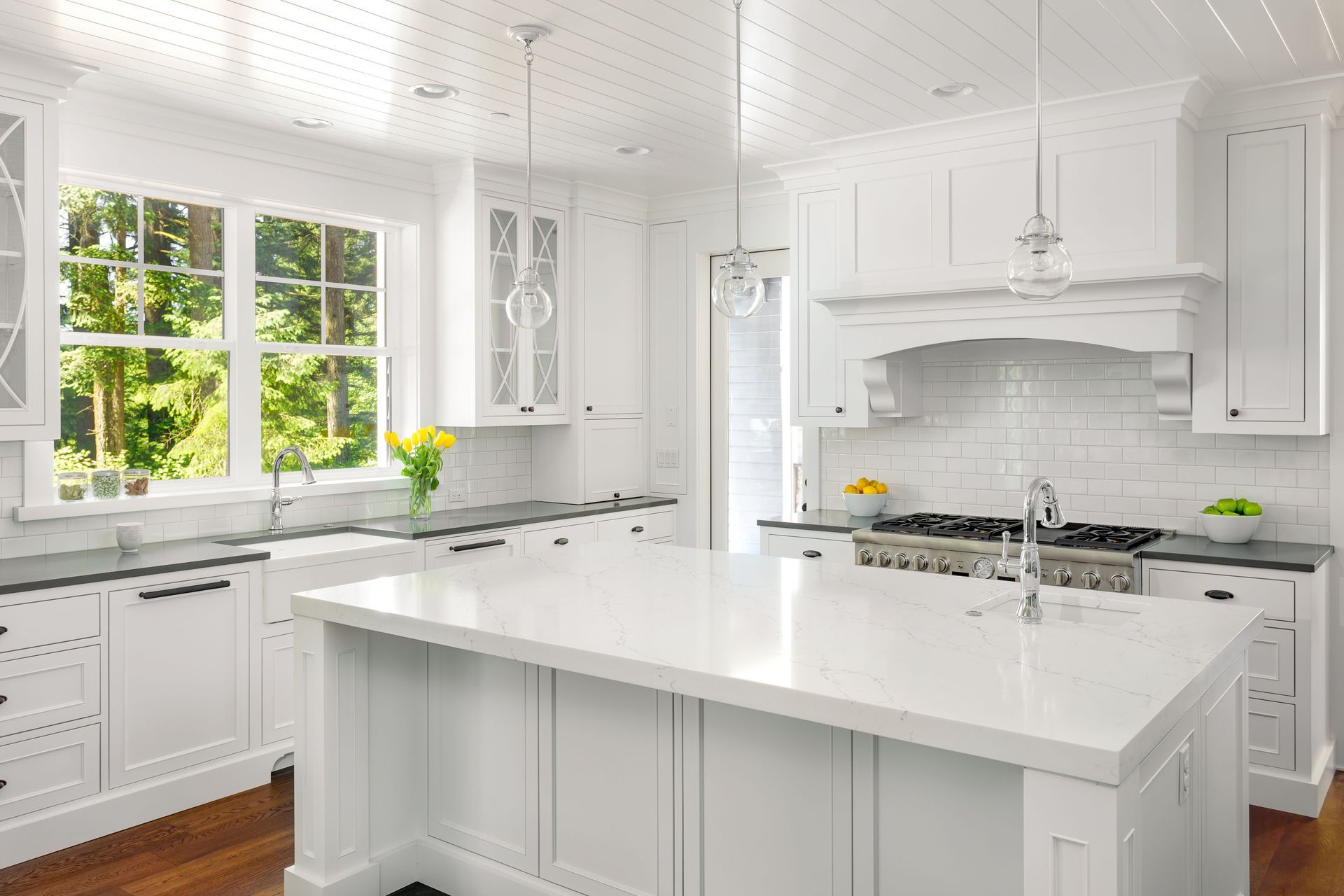
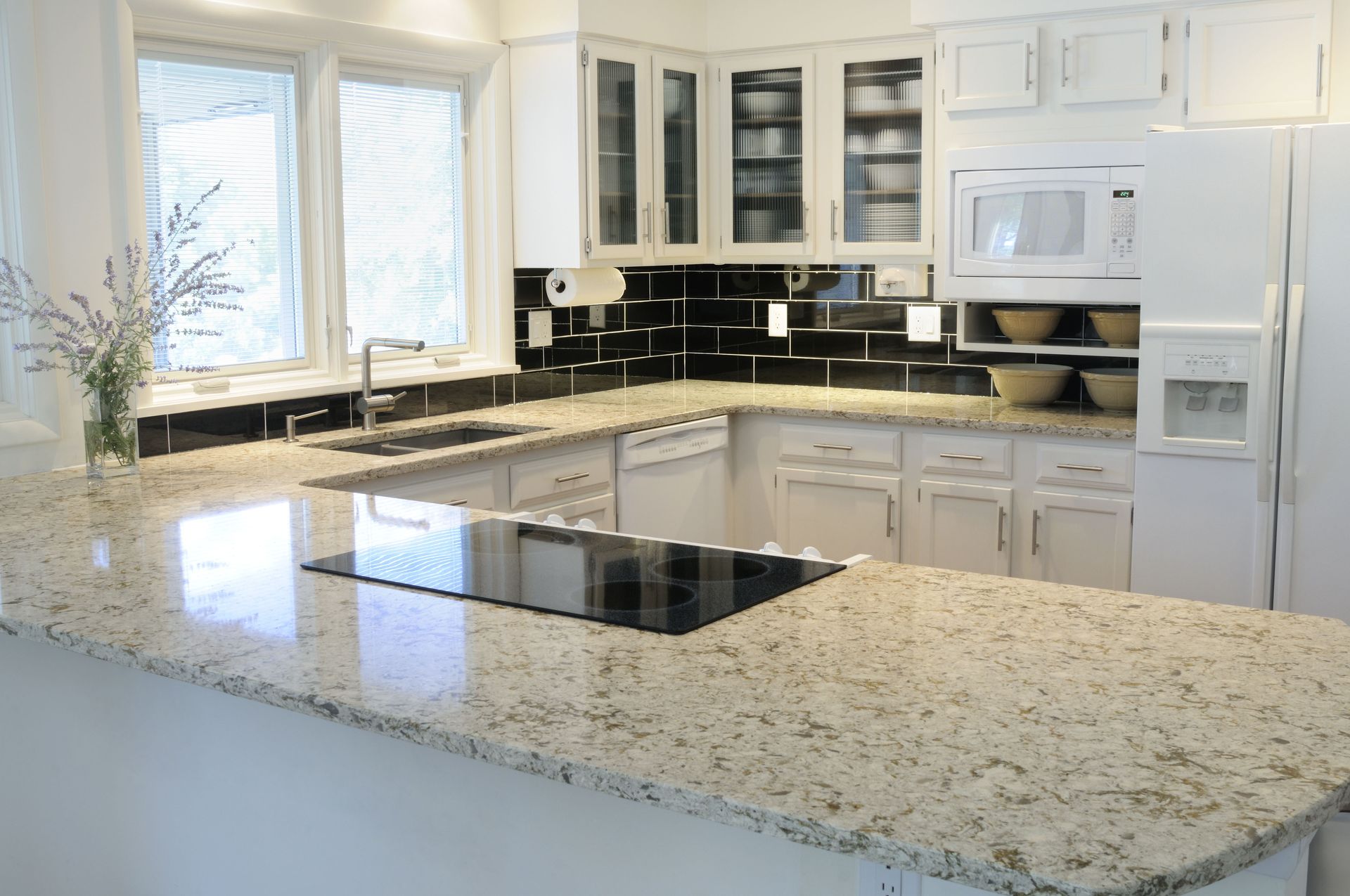
Quartz offers considerable design flexibility because it is available in a variety of colors and patterns. Some styles feature subtle veining that resembles natural marble, while others provide consistent coloring and understated textures. This versatility allows homeowners to create anything from a traditional kitchen to a contemporary space without sacrificing practical considerations.
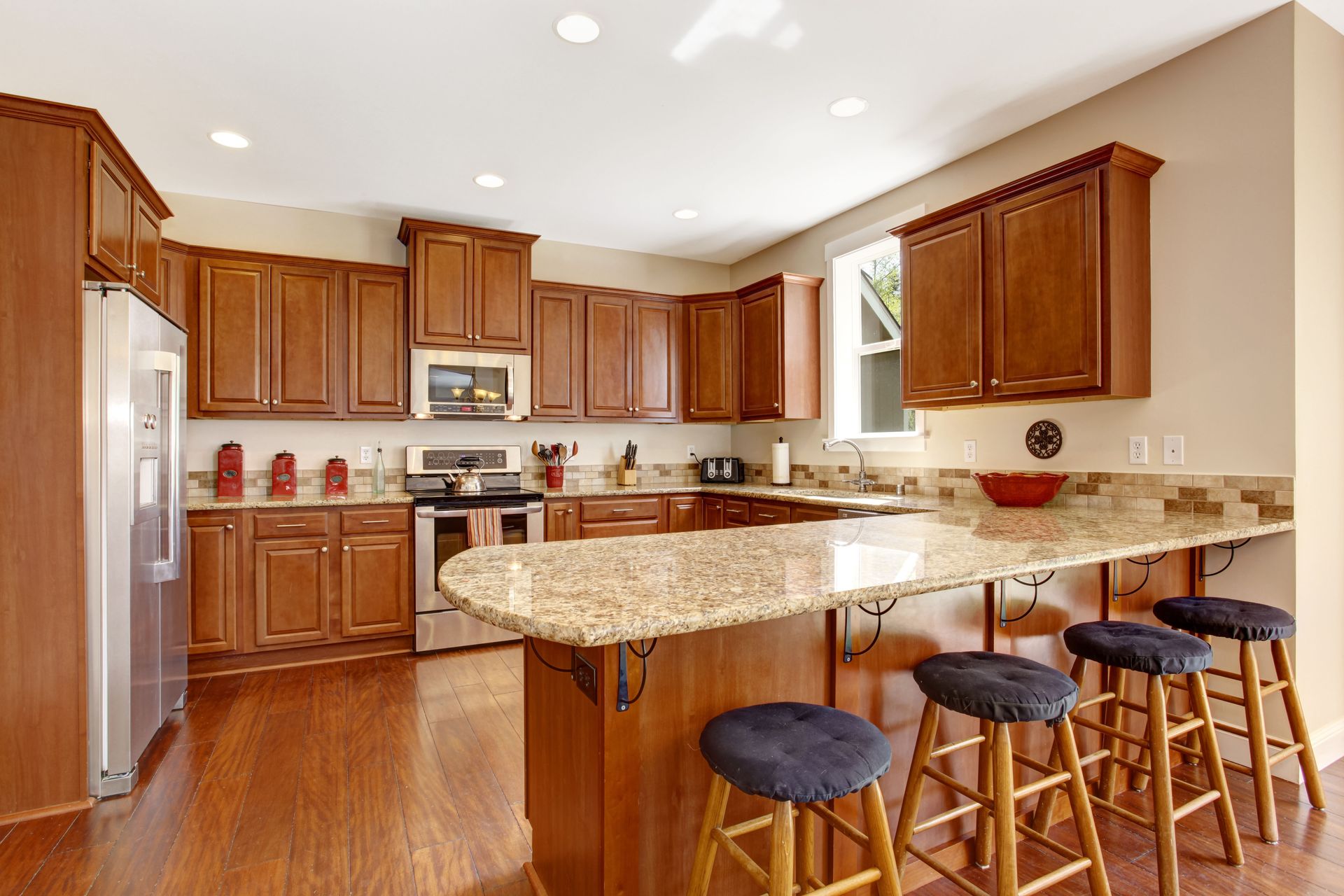
Homeowners should also consider how the selected surface will function within their particular layout. Large preparation areas, islands, breakfast bars, and frequently used workspaces may benefit from materials that accommodate regular activity while maintaining an attractive finish. The right choice should support the way the kitchen is actually used.
Exploring quartz countertop services gives homeowners an opportunity to compare available designs and determine which options complement their existing or planned cabinetry. Viewing material samples alongside other kitchen finishes can make the selection process more productive.
Planning a Countertop Investment That Lasts
A successful countertop project begins with understanding household priorities. Some homeowners prioritize low maintenance, while others place greater importance on appearance, resistance to everyday wear, or compatibility with a particular kitchen design. Identifying these preferences helps narrow the available choices and prevents unnecessary spending on features that do not serve a practical purpose.
Accurate measurements and thoughtful material selection are equally important. Countertops must accommodate appliances, sinks, cabinetry, and other design elements while providing sufficient workspace. Professional planning helps identify potential installation challenges before fabrication begins, reducing the possibility of costly adjustments later.
Homeowners should also request clear estimates that explain material costs, fabrication, installation, and additional services. Comparing proposals based on their included work provides a more meaningful understanding of the investment than looking at a single price.
Choosing professional quartz countertop services can be a practical way to combine long-term functionality with a polished kitchen design. When material selection, measurements, fabrication, and installation are handled carefully, homeowners can enjoy a finished surface that supports everyday routines while contributing to the property's overall appeal.
Ultimately, building a kitchen that lasts requires looking beyond the immediate renovation budget. Durable materials, appropriate maintenance, and quality installation can help minimize future expenses while preserving the appearance and usefulness of the space. Contact Blue Ridge Cabinet & Design to explore countertop options, compare designs, and start planning a kitchen investment built to deliver lasting value.\